AI is set to reshape club management over the next decade, transforming everything from member experiences and staffing to course maintenance, financial analysis, and day-to-day operations.
There is a famous saying erroneously attributed to Mark Twain: "There are three kinds of lies: lies, damn lies, and statistics.”
There is truth in that. But there are some statistics worth noting, specific, proven, measurable metrics, and rules of thumb that guide profitable, successful clubs. Of course, not every club is the same, yet the following helps answer the question, “How is my club doing?”
In Bobby Jones Links’ world of golf and country club management, KPIs vary greatly depending on whether the club is a daily-fee or resort (rounds-focused) or private (dues-focused). The most important metrics emphasize financial health, member engagement, and operational efficiency. Here are some of the most critical ones:
FINANCIAL PERFORMANCE
The most common financial indicator that determines a club's performance is EBITDA.
EBITDA (Earnings Before Interest, Taxes, Depreciation, and Amortization) is the key measure of operating profitability. For private clubs, this figure is often adjusted to exclude capital dues, focusing on operational dues to cover operating expenses. Although not all clubs are the same, a property’s EBITDA can be negative or reach as high as 30% of total revenue, depending on the golf market and the club’s location.
LABOR COSTS
The single largest expense in our business is labor.
Total payroll should be 45-55% of gross revenue.
F&B labor typically ranges from 40% to 55%, which is higher than at your local restaurant due to increased service expectations and lower volume.
Golf course maintenance labor should account for 45% to 60% of the maintenance budget.
OPERATIONS AND COSTS
Total benefits should not exceed 25% of total payroll cost.
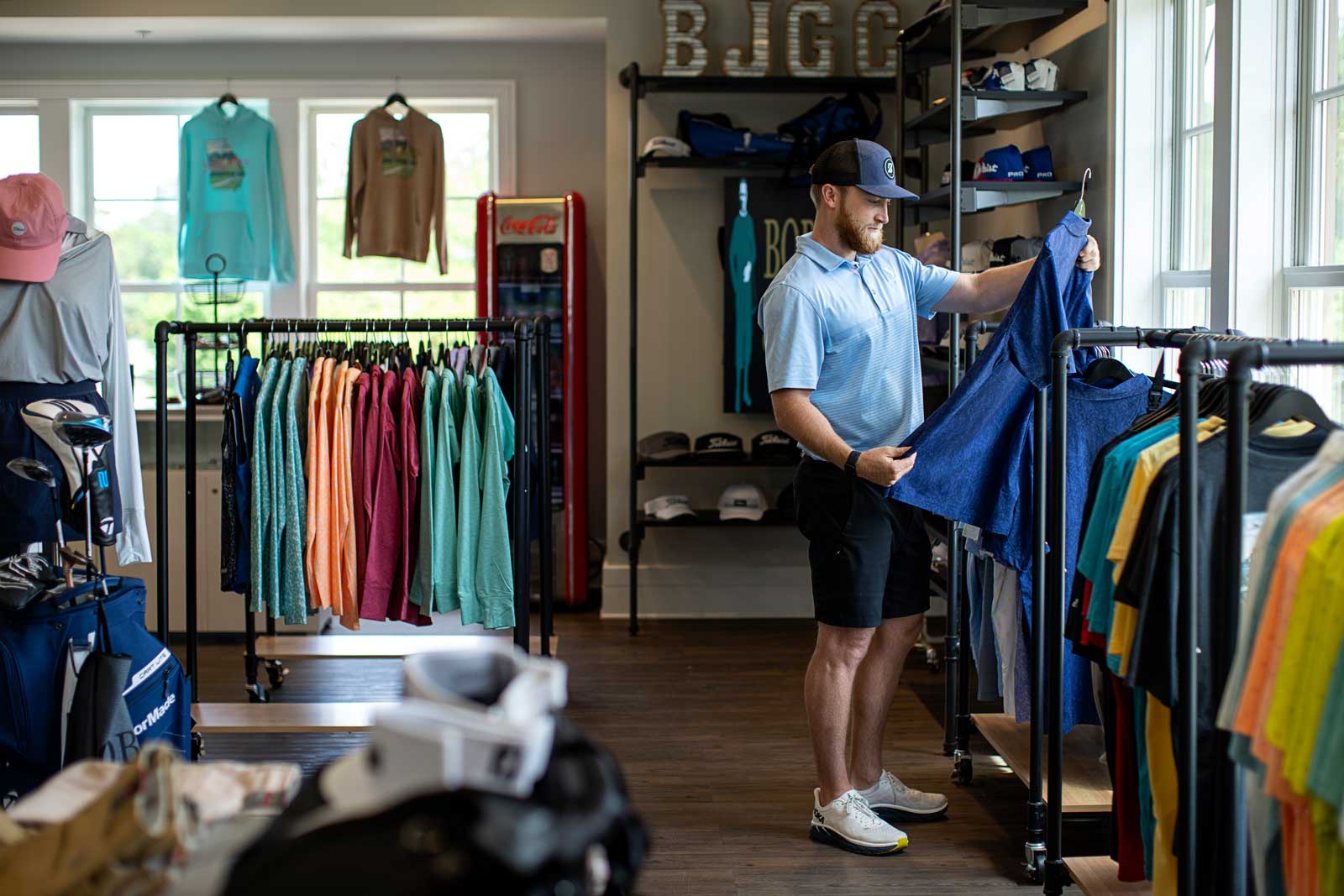
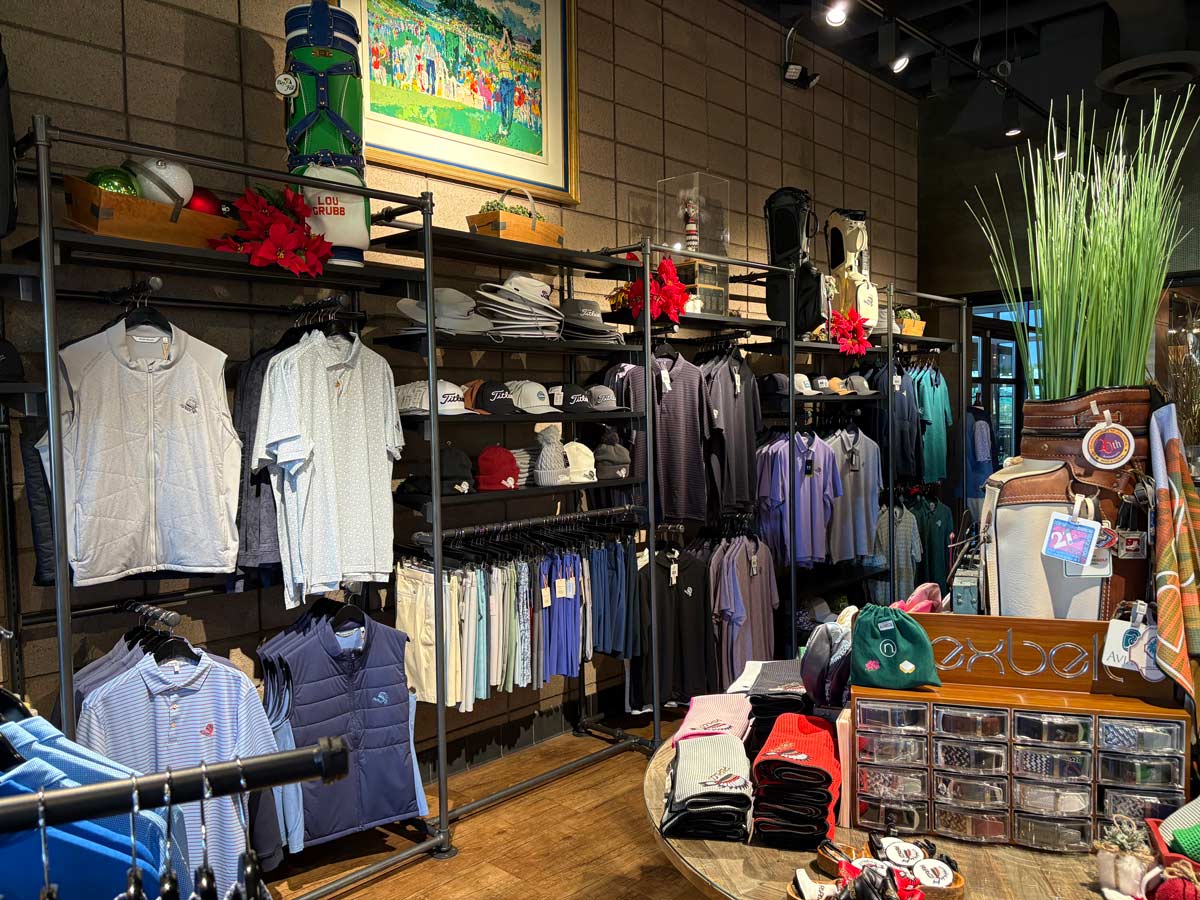
Pro shop sales should yield at least a 30% profit. The cost of sales for hard goods (equipment) should be between 70% and 80%, while for soft goods (apparel), the target range is 50% to 65%.
The net profit from special events such as weddings and private parties should be at least 50%.
Generally, food and beverage costs of sales as a percentage of food and beverage revenueaverage between 26% and 36%.
MEMBERSHIP
Full Member Equivalent Or FME. This standardizes your membership count. If a full golf member pays $10,000 annually in dues, and a social member pays $5,000, the social member counts as 50% of the FME. This matters because the FME metric reflects the actual number of revenue-generating members, helping to prevent headcount inflation caused by having too many low-dues-paying categories.
Attrition. This is the percentage of club members who leave each year. Healthy, normal attrition is 5%-8% annually. Anything over 10% points to a market, cultural, or value issue.
Annual rounds per member. This ranges from 35 to 55, depending on the climate.
Golf cart utilization. Golf cart usage as a percentage of all rounds ranges from 35% to 50%, depending on the golf club's walkability and policies.
Conversion rate. Typically, the average is between 8% and 12% of qualified prospects.
Average guest rate. This usually averages between 65% and 75% of the peak guest rate.
Average guest rounds. This ranges from 5 to 15 per membership.
THE TAKEAWAY
Your club needs to track these key KPIs. Monitoring them, along with others, will help you make data-driven decisions instead of relying on emotion or intuition. Bobby Jones Links can benchmark your club’s KPIs against your peers, identify underperforming areas, and help you improve them.