



Maximizing club revenue isn’t about chasing rounds alone—it’s about optimizing yield and utilization. The most successful clubs focus on how efficiently they convert time, membership, and on-property demand into sustainable revenue.
The following five revenue performance indicators are the most critical metrics every club should measure and actively manage.
Often referred to as REVPATT, this is the single most important KPI for daily-fee and resort golf operations. It is calculated by dividing total greens and cart fee revenue by the total number of tee times available. REVPATT is the golf industry’s equivalent of the hotel industry’s gold-standard metric: REVPAR.
Time is your inventory. Once a tee time passes unsold, that revenue is gone forever. A full tee sheet at low rates may feel successful, but it often masks lost profitability. High rates with low utilization signal wasted inventory. REVPATT reveals whether pricing and demand are truly aligned.
Also known as yield, ARPR measures how effectively a club converts demand into revenue. It is calculated by dividing total greens and cart fee revenue by total rounds played.
If ARPR is below 60% of the club’s highest posted rate, discounting is likely eroding profitability. The objective is not to eliminate discounts, but to narrow the gap between rack rate and realized rate without sacrificing volume.

For private clubs, dues alone do not tell the full story. Revenue per member measures total wallet share, including dues, guest fees, cart fees, merchandise, and food and beverage spending.
This metric identifies the club’s most valuable members and highlights opportunities to improve engagement among under-utilizing members. In many cases, lower-dues members outperform higher-dues members through consistent guest play and on-property spending.
This metric reflects the percentage of total operating revenue derived from guaranteed dues. Dues represent the club’s financial annuity, funding operations regardless of weather or market conditions.
Healthy private clubs typically generate 50–60% of total revenue from dues. When dues fall below 40%, the club becomes overly reliant on variable income streams, increasing financial risk during economic downturns.
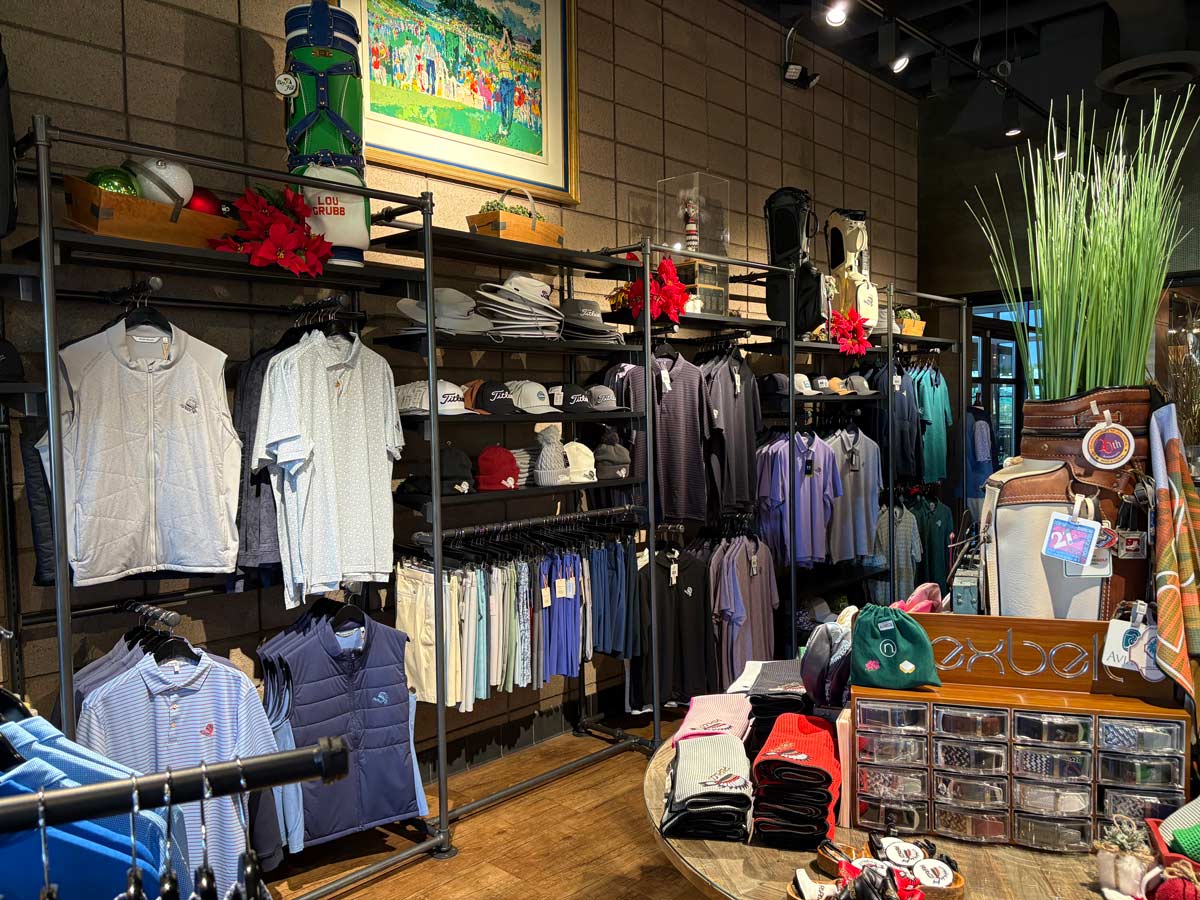
Ancillary revenue includes food and beverage, merchandise, instruction, and other on-property services.
For example, at a daily fee club, merchandise sales should range from $5 to $10 per round. At a resort or private club, the average per-round spend can exceed $25. At a well-managed club, depending on the type of club, food and beverage spending should account for at least 10% and up to 30% of total revenue.
Many daily fee clubs rely on total green and cart fees – while private clubs rely on total member dues - to fund basic operations. Ancillary revenue is often where profits are made, and funds are reserved for capital improvements or distributed to the shareholders.
Clubs that consistently monitor and respond to these five KPIs are better equipped to stabilize operations, maximize profits, and invest in the member and guest experience.